Where the craft
began.
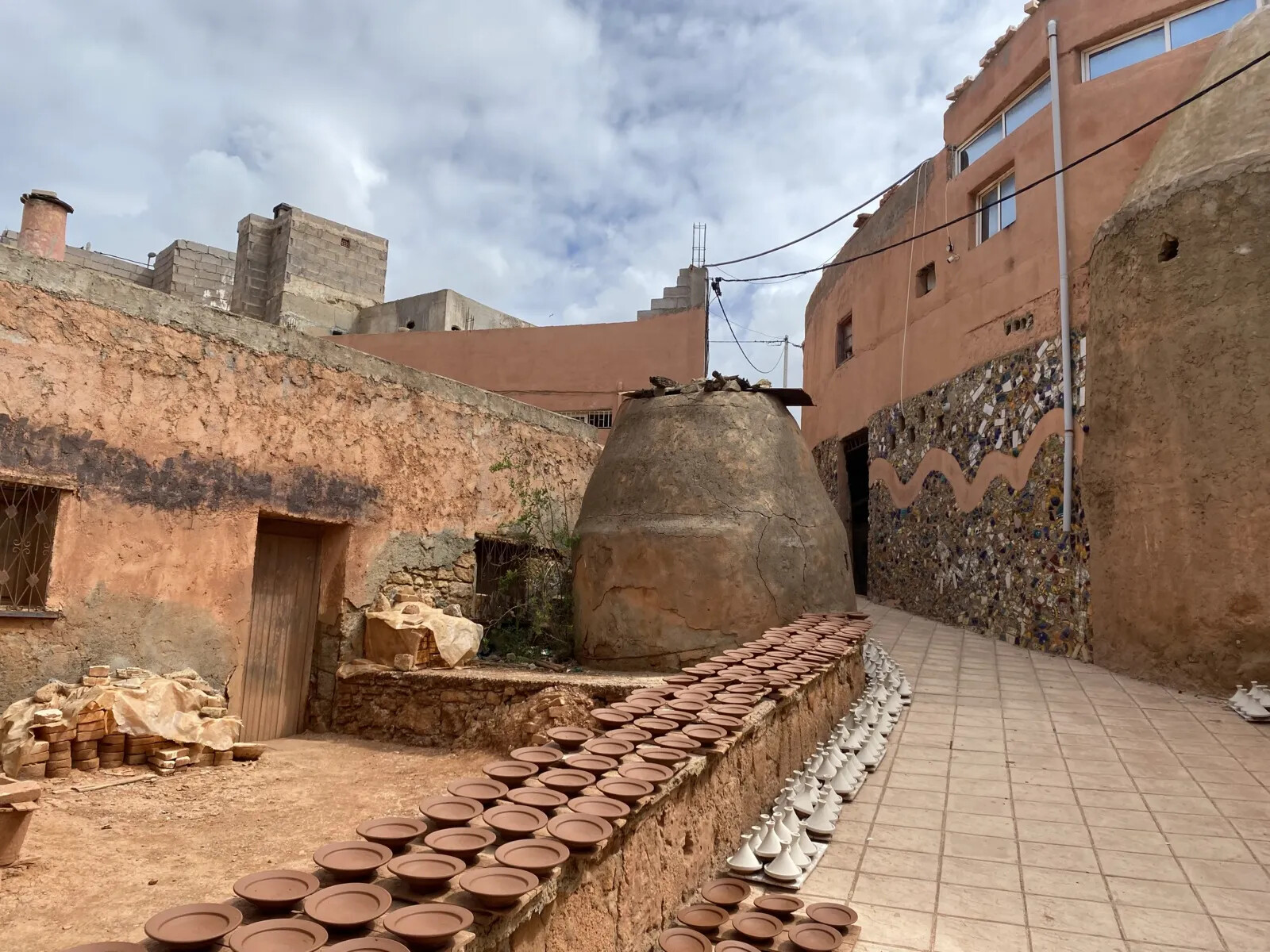
The Colline des Potiers is the oldest ceramic quarter in Safi, set in the old medina between two historic walls — one raised by the Almohads in the 13th century, the other by the Portuguese in the 16th. It has been classified a national heritage site since 1920.
Dozens of family workshops still work here with a mix of old wood-fired kilns and gas kilns, using the same hand-thrown, hand-painted methods passed down for generations. This is the field's traditional core, still active today.
- The historic origin of ceramic production in Safi
- Set between the Almohad and Portuguese city walls
- Traditional wood-fired and gas kilns side by side
Where production
grew.
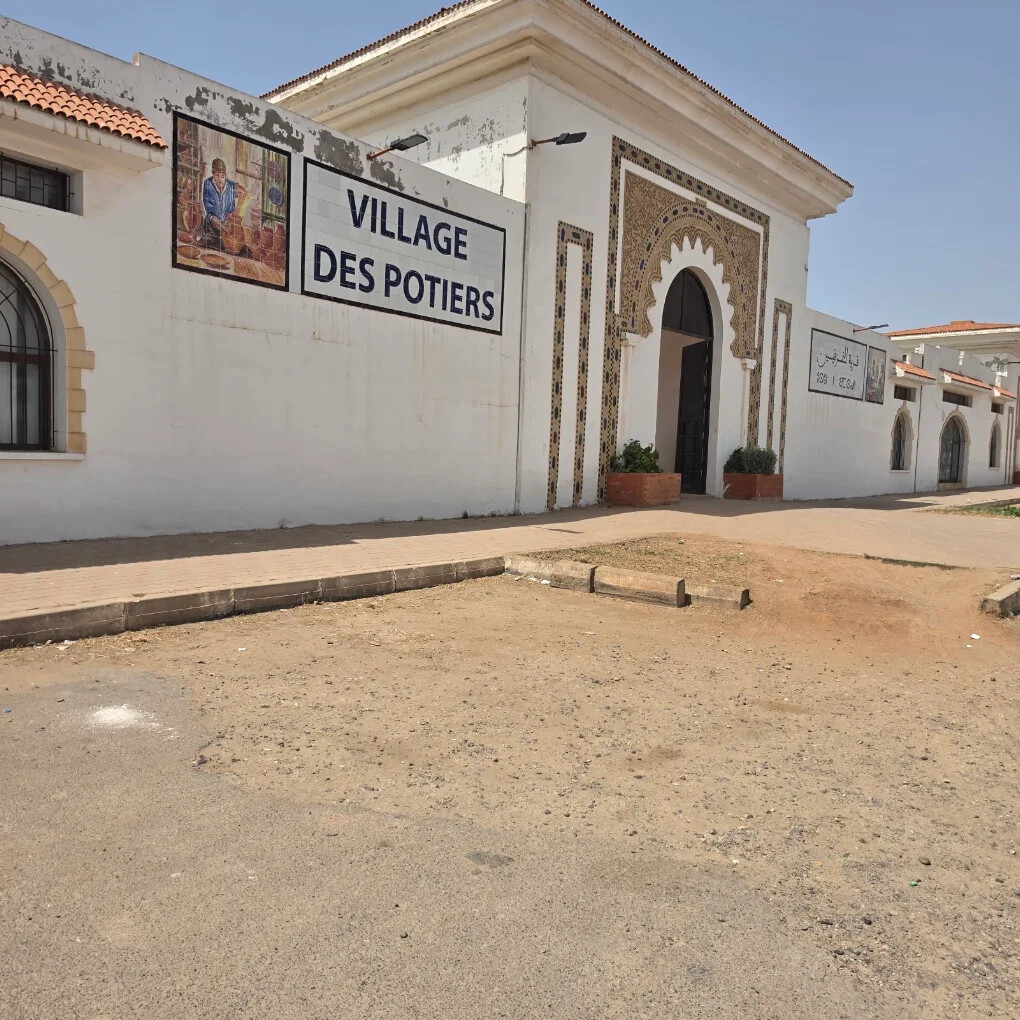
The Village des Potiers was established later than the Colline, bringing together many workshops in one larger working quarter equipped mainly with gas kilns. It is here that most of the volume seen today is produced.
Workshops here make both traditional forms — tagines, plates, water jugs — and more contemporary pieces for wider markets. It is a real production place, not a reconstruction. This project does not sell pieces and does not organise visits or demonstrations.
- Family workshops where ceramics are still made
- Mainly gas-fired kilns, both traditional and modern pieces
- The main source of the forms shown on this site
Heritage
preserved & told.
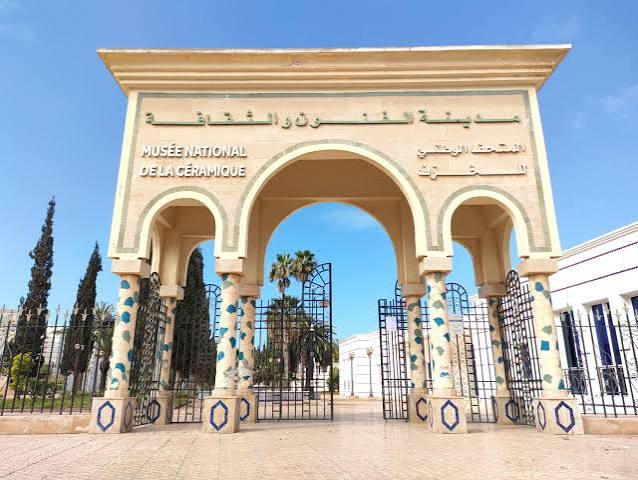
Safi's National Ceramic Museum, housed in the Cité des Arts et de la Culture, holds a collection of several hundred pieces spanning antiquity to today — from archaeological fragments to glazed pieces and later work. It is a place of memory for the field, not the place of production.
Hours and access belong to the museum itself. This site only points to it as a related institution. We do not sell tickets or run tours.
- Historic Safi ceramics in a public collection
- A record of the field beyond the workshop
- Separate from the production quarters as a workplace
Where knowledge
passes to new hands.
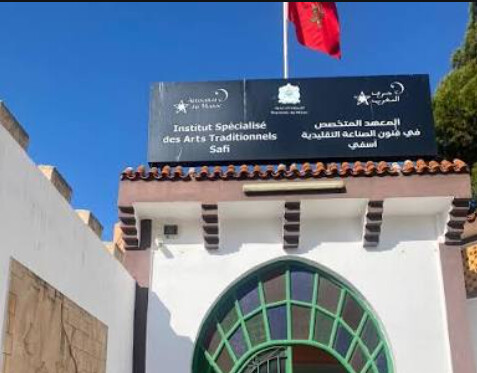
Safi's Institut Spécialisé des Arts Traditionnels trains new ceramists in a free, two-year program — clay, throwing, decoration, and kilns taught as a trade. It belongs to the field's future, not to a visitor programme on this site.
Training is organised by the institute itself. We do not enrol students, sell courses, or book workshops.
A resource few people know about
Even though this training is free and lasts two years, it remains little known locally — the institute has only a handful of enrolled students at any given time, well below what the field's workshops could absorb.
- Free, two-year formal training in ceramic production
- Traditional techniques passed as a trade
- A related place, not a service of this project